
Exposure and early infection
Tick bites, outdoor exposure, travel, pets, rashes, summer flu, fever, chills, swollen glands, severe headache, facial weakness, heart symptoms, and symptom onset date are core data for a Lyme-informed clinician.
Tick-borne infection
Exposure history, migrating symptoms, neurologic signs, arthritis, and relapse patterns. Organize your symptom timeline, co-infection clues, and treatment history for an LLMD-informed evaluation.
CDC describes Lyme disease as a Borrelia infection spread by blacklegged tick bites. The uploaded Horowitz materials add the MSIDS lens: persistent illness can involve Borrelia forms, biofilms, Babesia, Bartonella, mold, MCAS, dysautonomia, sleep disruption, hormones, pain generators, and immune inflammation.
Tick bites, outdoor exposure, travel, pets, rashes, summer flu, fever, chills, swollen glands, severe headache, facial weakness, heart symptoms, and symptom onset date are core data for a Lyme-informed clinician.
Migrating joint pain, nerve pain, numbness, tingling, cognitive slowing, sleep disruption, fatigue, palpitations, dizziness, facial palsy, and symptoms that flare cyclically can justify a deeper Lyme and co-infection workup.
Sweats, air hunger, foot pain, shin pain, neuropsychiatric flares, mold exposure, MCAS symptoms, POTS-like symptoms, medication sensitivity, and GI intolerance can change the treatment sequence.
Dr. Richard Horowitz has been researching and refining dapsone-based combination therapy for persistent Lyme disease since 2016. His protocols progress through stages: foundational MSIDS stabilization, then Double Dose Dapsone Combination Therapy (DDDCT), followed by pulsed High Dose Dapsone Combination Therapy (HDDCT) for patients who plateau. Every stage requires clinician supervision with lab monitoring.
Horowitz DDDCT — foundational persister therapy
DDDCT is the first advanced-stage protocol in Horowitz's persister treatment sequence. It is used after patients have been stabilized with the MSIDS framework and after standard oral combination antimicrobials have been insufficient. Horowitz published two prior dapsone studies before the 2023 paper: an initial DDDCT study showing 98% improvement with 45% remaining in remission for 1 year or longer in non-Bartonella patients [ref 102], and a 4-day pulse HDDCT study showing 32% (8/25) had resolution of all active Lyme symptoms for 3+ months [ref 103]. The 2023 Horowitz, Fallon, Freeman study in 25 PTLDS patients with bartonellosis found 100% improved, with 7/23 (30.5%) in remission 3–9 months after 8-week DDDCT + 5–7 day HDDCT.
| Timeframe | Medications | Dose |
|---|---|---|
| Pre-DDDCT ramp (before week 1) | Plaquenil (hydroxychloroquine), doxycycline (or minocycline), rifampin, Nystatin (Rx), pyrazinamide (Rx) | Plaquenil 200 mg bid, doxycycline 100 mg bid, rifampin 300 mg bid, Nystatin 500,000 U bid (Rx antifungal), pyrazinamide (weight-based: ≤55 kg = 1000 mg/day, 56–75 kg = 1500 mg/day, 76–90 kg = 2000 mg/day) |
| Week 1 | Add dapsone 25 mg QD + leucovorin (Rx) + L-methyl folate | Dapsone 25 mg once daily, leucovorin 25 mg 2 tablets bid (50 mg bid) (Rx), L-methyl folate 15 mg 2 tablets bid (60 mg/day) |
| Week 2 | Increase dapsone | Dapsone 25 mg bid (50 mg/day). Continue all above medications. |
| Week 3 | Increase dapsone. Order labs. | Dapsone 50 mg am, 25 mg pm (75 mg/day). CBC, CMP, baseline methemoglobin at end of week. |
| Week 4 | Increase dapsone. Add methylene blue. Add cimetidine if indicated. | Dapsone 50 mg bid (100 mg/day). Methylene blue 50 mg bid for methemoglobin control. Cimetidine 400 mg bid if history of Herxheimer reactions. |
| Weeks 5–8 (DDDCT) | Double-dose dapsone. Add macrolide. Double folate support. | Dapsone 100 mg bid (200 mg/day). Azithromycin 250 mg bid (or clarithromycin alt.). Leucovorin 25 mg 4 tablets bid (100 mg bid). L-methyl folate 15 mg 4 tablets bid (60 mg bid). |
| Weeks 5–8 (alt. rifamycin) | Rifabutin may substitute for rifampin | Rifabutin 150 mg bid (300 mg/day) replaces rifampin for patients intolerant of rifampin or on interacting medications. Doxycycline may substitute for minocycline. |
| Timeframe | Supplement | Dose & Notes |
|---|---|---|
| Pre-DDDCT (biofilm prep) |
Cinnamon/clove/oregano oil | 1 capsule twice daily (Doctor Inspired Formulations, Hopkinton Drug Compounding) |
| Biocidin | 2 sprays twice daily (Biocidin Botanicals) | |
| Stevia | 15 drops twice daily (NutraMedix) | |
| Peppermint oil | 1 capsule twice daily. Argentyn 23 silver 1 tsp bid + EDTA suppositories during final week for severe/resistant cases | |
| Pre-DDDCT (microbiome) |
Orthobiotic | 1 capsule twice daily, first thing AM and last thing PM (Ortho Molecular Products) |
| Saccharomyces boulardii | 1 capsule twice daily (Ortho Molecular Products) | |
| Theralac | 1 capsule twice daily (Master Supplements) | |
| Probiomax 350 billion | ½ packet once daily, can increase to twice daily if loose stools (Xymogen) | |
| Pre-DDDCT (detox & anti-inflammatory) |
NAC (N-Acetyl Cysteine) | 600 mg twice daily (Xymogen) |
| Glutathione (liposomal) | 4 capsules × 250 mg twice daily = 1000 mg bid (Ortho Molecular or Essential Pro Glutathione, Wellness Pharmacy) | |
| Alpha lipoic acid (Alamax) | 600 mg twice daily (Xymogen) | |
| Curcumin (Curcuplex) | 500 mg twice daily (Xymogen) | |
| Sulforaphane glucosinolate (Oncoplex ES) | 100 mg twice daily (Xymogen) | |
| Vitamin C | 1–2 g twice daily (Xymogen) | |
| Vitamin E | 300 IU twice daily (Designs for Health) | |
| NADH (ENADA) | 5 mg twice daily (ENADA Nutraceuticals) | |
| Herx rescue | Alka-Seltzer Gold | As needed for temporary symptom flares. Take with 2 g glutathione all at once, up to 3 times daily until reaction resolves |
| Sodium bicarbonate | Alternative to Alka-Seltzer Gold for Herxheimer rescue | |
| Glutathione (extra) | Up to 2000 mg 3 times daily for methemoglobin symptoms (blue hands/lips, headache, fatigue, shortness of breath) | |
| Weeks 1–4 (folate rescue) |
L-methyl folate | 15 mg, 2 tablets twice daily = 60 mg/day. Continue all pre-DDDCT supplements |
| Leucovorin (folinic acid) | 25 mg, 2 tablets twice daily = 50 mg bid. Prescription folate rescue. Continue all pre-DDDCT supplements | |
| B12 (methylcobalamin) | Substack recommendation: add B12 support to help reduce dapsone-induced anemia alongside iron if ferritin is low | |
| Iron (if deficient) | Substack recommendation: check ferritin; supplement if low to support red blood cell production during dapsone therapy | |
| Weeks 5–8 (DDDCT double-dose) |
L-methyl folate (doubled) | 15 mg, 4 tablets twice daily = 60 mg bid = 120 mg/day total. Folic acid dosing doubles on double-dose dapsone |
| Leucovorin (doubled) | 25 mg, 4 tablets twice daily = 100 mg bid. Continue B12/iron support. Continue all pre-DDDCT biofilm, microbiome, detox, and anti-inflammatory supplements |
Substack additional recommendations (Horowitz 2025):
Post-DDDCT: If symptoms persist or plateau, patients transition to HDDCT 5–7 day pulse therapy (see next tab). CBC, CMP, and methemoglobin are monitored biweekly during weeks 5–8 and at the end of each HDDCT pulse. All lab values returned to normal at the end of treatment in the published study, except for one patient with pre-existing low platelets.
* DDDCT requires a trained clinician. Before starting dapsone: G6PD must be positive/normal. B12, folate, and iron must not be deficient. Baseline ECG must be normal. A drug interaction check is required (rifampin affects medication levels). Do not self-prescribe. *
Horowitz HDDCT — intensive pulse therapy
HDDCT is the escalation stage for patients who complete a DDDCT course and achieve partial improvement but still have active symptoms. The core difference: dapsone is increased from 100 mg bid to 200 mg bid (400 mg/day) for short, concentrated pulses of 5–7 consecutive days. This higher dose achieves deeper tissue and biofilm penetration against persistent Borrelia, while the pulsing schedule reduces cumulative toxicity risk. The 2023 Horowitz, Fallon, and Freeman study specifically compared shorter (4-day) vs. longer (6–7 day) pulses and found that patients completing 6–7 day pulses had superior levels of improvement, especially when Bartonella co-infection was present.
| Medication | Pulse dose (5–7 days) | Mechanism | Pulse schedule |
|---|---|---|---|
| Dapsone (high dose) | 200 mg twice daily (400 mg/day) | High-concentration persister & biofilm penetration; double the DDDCT dose for recalcitrant Borrelia | 5–7 days on, 8–14 days off (variable) |
| Doxycycline | 100 mg twice daily (200 mg/day) | Tetracycline-class; intracellular penetration, anti-inflammatory | 5–7 days (pulse only) |
| Rifampin | 300 mg twice daily (600 mg/day) | Rifamycin persister activity; Bartonella coverage | 5–7 days (pulse only) |
| Rifabutin (rifampin alternative) | 150 mg twice daily (300 mg/day) | Fewer drug-drug interactions; preferred if on interacting medications | 5–7 days (pulse only) |
| Pyrazinamide (Rx) | Weight-based (see DDDCT table) | Added intracellular persister activity | 5–7 days (pulse only) |
| Methylene blue | 50–100 mg twice daily | Persister agent, methemoglobin control, mitochondrial support | Pulse days + continues through off-week |
| Nystatin (Rx antifungal) | 500,000 U tablets, 2 bid | Yeast/Candida prevention throughout protocol; continues during off-week | Daily (continuous) |
How the 5–7 day pulse schedule works:
* HDDCT is more intensive than DDDCT. Higher dapsone doses increase methemoglobinemia risk, hemolytic anemia risk (especially with G6PD deficiency), and sulfone syndrome potential. Each pulse requires pre-pulse lab clearance. Not appropriate as first-line therapy. *
| Phase | Supplements | Dose & Schedule |
|---|---|---|
| Continuous (daily, entire protocol) |
Biofilm agents | Cinnamon/clove/oregano oil 1 bid, Biocidin 2 sprays bid, Stevia 15 drops bid, peppermint oil 1 bid. Argentyn 23 + EDTA suppositories for resistant cases |
| Probiotics / microbiome | Orthobiotic bid, S. boulardii bid, Theralac bid, Probiomax 350B ½–1 packet/day. Critical during antibiotic therapy and continue through off-weeks | |
| Detox / anti-inflammatory | NAC 600 mg bid, glutathione liposomal 1000 mg bid, ALA 600 mg bid, curcumin 500 mg bid, sulforaphane 100 mg bid, vitamin C 1–2 g bid, vitamin E 300 IU bid, NADH 5 mg bid. These continue daily regardless of pulse status | |
| Pulse days (5–7 days) |
L-methyl folate (high dose) | 15 mg, 4 tablets twice daily = 120 mg/day. Doubled folate support during high-dose dapsone pulse |
| Leucovorin / folinic acid (Rx, high dose) | 25 mg, 4 tablets twice daily = 100 mg bid. Prescription folate rescue during pulse. Reduce to standard dose during off-days | |
| High-dose antioxidants (taken WITH methylene blue) |
Glutathione 1000–2000 mg tid, vitamin C 1–2 g bid, vitamin E 300 IU bid, NADH 5 mg bid. This antioxidant combination is taken at higher doses during pulse days alongside methylene blue to help reverse methemoglobin. Substack emphasizes this as essential | |
| Off days (8–14 days) |
Folate support (standard dose) | L-methyl folate 15 mg, 2 tablets bid = 60 mg/day. Leucovorin 25 mg, 2 tablets bid = 50 mg bid. Folate doses are reduced back to standard when dapsone is paused |
| Antioxidants (standard dose) | Glutathione 1000 mg bid, vitamin C 1–2 g bid, vitamin E 300 IU bid, NADH 5 mg bid. Continue at standard (not high-dose) levels during the off-week |
What continues vs. stops between HDDCT pulses (from paper):
Labs during HDDCT (from paper): CBC, CMP, methemoglobin, and haptoglobin on days 3 and 5 of each pulse. Blood pressure monitored daily while on methylene blue. Stop dapsone if hemoglobin drops >20% or >1–2 g/dL from prior CBC. During the week off HDDCT, all antibiotics including tetracyclines, rifampin/rifabutin, and pyrazinamide are stopped; only methylene blue and Nystatin continue.
Critical safety infrastructure
Both DDDCT and HDDCT require rigorous safety infrastructure. The following is the exact Horowitz-recommended safety and supplement framework from the 2023 Microorganisms paper (Table 1 & Table 2).
| Screening item | Rationale |
|---|---|
| G6PD level | Must be positive/normal. G6PD deficiency increases hemolytic anemia risk with dapsone. |
| B12, folate, iron | Must not be deficient before starting dapsone. These support red blood cell production against dapsone-induced anemia. |
| CBC with differential | Baseline hemoglobin, hematocrit, red cell indices, platelet count. |
| CMP | Liver enzymes (ALT, AST), kidney function (creatinine, BUN), electrolytes. |
| Methemoglobin level | Baseline methemoglobin before starting DDDCT and before each HDDCT pulse. |
| ECG | Must be normal before starting. Dapsone and companion drugs can affect QT interval. Blood pressure monitored daily while on methylene blue. |
| Pregnancy test | Dapsone, doxycycline, rifampin, pyrazinamide are contraindicated in pregnancy. |
| Drug interaction check | Rifampin strongly induces CYP3A4, affecting levels of many medications. Must review all concurrent drugs. |
| Sulfa allergy history | Dapsone is a sulfone; cross-reactivity with sulfonamides is possible. |
| Timeframe | Supplements / Support | Indication |
|---|---|---|
| Pre-DDDCT (biofilm support) | Cinnamon/clove/oregano oil 1 bid, Biocidin 2 sprays bid, Stevia 15 drops bid, peppermint oil 1 capsule bid. Optional for severe/resistant cases: Argentyn 23 silver 1 tsp bid + EDTA suppositories during last week. | Biofilm disruption |
| Pre-DDDCT (microbiome) | Orthobiotic bid, Saccharomyces boulardii bid, Theralac bid, Probiomax 350 billion 1–2/day. Take first thing AM and last thing PM. | Microbiome protection |
| Pre-DDDCT (detox / anti-inflammatory) | NAC 600 mg bid, glutathione liposomal 1000 mg bid (4 x 250 mg), alpha lipoic acid 600 mg bid, curcuplex 500 mg bid, sulforaphane glucosinolate 100 mg bid, vitamin C 1–2 g bid, vitamin E 300 IU bid, NADH 5 mg bid. Alka-Seltzer Gold or sodium bicarbonate as needed for Herxheimer reactions. | Detoxification, inflammatory and methemoglobin support |
| Weeks 1–4 (start dapsone) | Continue all above. Add folic acid support: L-methyl folate 15 mg 2 tablets bid (60 mg/day). Plus leucovorin (folinic acid) 25 mg 2 tablets bid (50 mg bid). | Folate rescue to prevent megaloblastic anemia |
| Weeks 5–8 (DDDCT) | Doubled folate: L-methyl folate 15 mg 4 tablets bid (60 mg bid = 120 mg/day). Leucovorin 25 mg 4 tablets bid (100 mg bid). Continue biofilm, microbiome, and detox/inflammatory support. High-dose antioxidants: glutathione 1000–2000 mg bid, vitamin C 1–2 g bid, vitamin E 300 IU bid, NADH 5 mg bid (taken with methylene blue to help reverse methemoglobin). | Folate rescue (doubled for double-dose dapsone) + antioxidant methemoglobin control |
During-treatment laboratory monitoring:
* These are the exact safety parameters from Horowitz's published 2023 protocol. Exact dosing, monitoring frequency, and stop thresholds must be set by the treating clinician for the individual patient. *
Standard early Lyme care
For early localized or early disseminated Lyme (within first weeks to months of infection), standard oral antibiotics remain the first-line approach. These protocols follow ILADS and CDC guidelines; treatment decisions depend on symptom severity, organ involvement, pregnancy status, age, and allergies.
| Medication | Typical adult dose | Duration (ILADS-informed) | Notes |
|---|---|---|---|
| Doxycycline | 100 mg twice daily | 4–6 weeks (varies by response) | First-line for most patients; covers Anaplasma, Ehrlichia, Rickettsia; photosensitivity; avoid in pregnancy and children <8 |
| Amoxicillin | 500–1000 mg three times daily | 4–6 weeks | Preferred in pregnancy and pediatrics; does not cover co-infections |
| Cefuroxime axetil | 500 mg twice daily | 4–6 weeks | Second-generation cephalosporin; broader coverage; alternative when doxycycline is contraindicated |
| Azithromycin | 500 mg once daily | 2–4 weeks | Alternative for patients intolerant of beta-lactams and tetracyclines; lower efficacy; QT monitoring; Babesia activity |
Neurologic Lyme & Lyme carditis:
Zhang TCM & Brownstein iodine support
Two complementary frameworks used by LLMDs alongside antimicrobial protocols: Dr. Qingcai Zhang's Traditional Chinese Medicine (TCM) herbal approach targeting Borrelia and co-infections, and Dr. David Brownstein's iodine-based protocol supporting immune function, detoxification, and hormonal balance.
| Herb / Formula | Target | Dose & Notes |
|---|---|---|
| HH (Houttuynia cordata) | Primary anti-spirochetal; active against Borrelia spirochetes and cyst forms. | Zhang Clinic standard dosing. Houttuynia has demonstrated in vitro activity against B. burgdorferi. Anti-inflammatory and immune-modulating. |
| Circulation P | Supports microcirculation compromised by spirochetal infection. Enhances tissue penetration of antimicrobials. | Zhang Clinic formulation. Improves blood flow to tissues affected by vasculitis and endothelial dysfunction from Borrelia. |
| Allicin (garlic extract) | Broad-spectrum antimicrobial; active against Borrelia cyst forms and biofilms. | Stabilized allicin formulation. May be added for persistent cyst-form Borrelia. GI tolerability varies. |
| Artemisinin (Artemisia annua) | Anti-parasitic for Babesia co-infection; also has anti-spirochetal activity. | Added when Babesia co-infection is present. Used in pulsed regimens (3 weeks on, 1 week off) to minimize neurotoxicity risk. |
| Component | Dose | Rationale for Lyme |
|---|---|---|
| Iodine/Iodide (Lugol's or Iodoral®) | 12.5–50 mg/day (start low, titrate up) | Antibacterial, antiviral, antiparasitic. Concentrates in glandular tissue and white blood cells. Supports thyroid function commonly disrupted in chronic Lyme. Displaces toxic halides (bromide, fluoride) that compete with iodine receptors. |
| Vitamin C | 3,000–6,000 mg/day in divided doses | Potent antioxidant; supports detoxification pathways. Helps protect against oxidative damage from chronic infection. Reduces Herxheimer reaction severity. |
| Selenium | 200–400 mcg/day | Required cofactor for glutathione peroxidase (protects thyroid from oxidative damage) and iodothyronine deiodinase (activates thyroid hormone T4→T3). Frequently deficient in chronic illness. |
| Unrefined salt (Celtic or Redmond's) | 1–1.5 tsp/day in water | Chloride competitively displaces toxic bromide from iodine receptors. Supports adrenal function. Essential for bromide detoxification during iodine therapy. |
| Magnesium | 400–800 mg/day | Required for ATP production and mitochondrial function. Relaxes smooth muscle; reduces palpitations from detox reactions. Antagonizes excess intracellular calcium. |
| ATP CoFactors (B2 + B3) | B2 100 mg + B3 500 mg twice daily | Stimulates NADPH oxidase system for energy production and hydrogen peroxide generation needed for iodine oxidation. For patients who plateau on iodine alone. From Brownstein/Abraham research. |
Key concepts from Brownstein's iodine protocol:
* Herbal and nutritional protocols should be discussed with an LLMD. Iodine dosing should be guided by iodine-loading test results. Start low, increase gradually. Brownstein's protocol: test, supplement, and monitor with a knowledgeable practitioner. *
Stephen Harrod Buhner's protocol from Healing Lyme (2nd Ed.) and Healing Lyme Disease Coinfections is the most widely referenced Western herbal approach. Herbs are taken as tinctures or capsules, typically 3–4 times daily.
| Herb | Category | Key actions in Lyme |
|---|---|---|
| Japanese Knotweed (Polygonum cuspidatum) | Core antimicrobial / anti-inflammatory | Primary herb. Crosses blood-brain barrier. Reduces cytokine cascades (IL-1, IL-6, TNF-α). Protects endothelial cells from spirochete damage. Broad-spectrum antimicrobial against Borrelia spirochetes and L-forms. |
| Cat's Claw (Uncaria tomentosa) | Immune modulator / antimicrobial | Enhances NK cell, B-cell, and T-cell activity. Increases CD57+ lymphocytes depleted in chronic Lyme. Antimicrobial against Borrelia. GI-protective; helps heal leaky gut. Use TOA-free extract (Samento) to avoid immune suppression. |
| Andrographis paniculata | Antimicrobial / anti-inflammatory | Antiviral, antibacterial, antiparasitic. Reduces severity of viral co-infections. Crosses blood-brain barrier. May cause transient headache or fatigue at initiation (die-off). Contraindicated in pregnancy. |
| Chinese Skullcap (Scutellaria baicalensis) | Synergist / anti-inflammatory | Potent synergist: enhances efficacy of other herbs. Strongly antiviral (EBV, HHV-6). Reduces systemic inflammation. Antioxidant; protects liver during antimicrobial therapy. |
| Smilax (Sarsaparilla) | Endotoxin binder | Binds microbial endotoxins released during die-off. Reduces Herxheimer reaction severity. Traditional blood purifier. |
| Astragalus membranaceus | Immune tonic | Deep immune restoration. Increases T-cell and NK cell activity. Protective during chronic infection. Best used later in treatment after acute symptoms are controlled. |
| Herb | Target | Notes |
|---|---|---|
| Cryptolepis sanguinolenta | Borrelia, Bartonella, Babesia persisters | One of the most potent broad-spectrum herbal antimicrobials. Active against stationary-phase and biofilm-embedded Borrelia. Also anti-Babesia and anti-Bartonella. |
| Cordyceps mycelium | Immune / mitochondrial support | Medicinal mushroom. Enhances ATP production, increases oxygenation, protects kidneys during long-term antimicrobial therapy. |
| Eleutherococcus senticosus | Adaptogen / adrenal support | Improves stress tolerance and energy. Supports adrenal function depleted in chronic illness. |
| Licorice root (Glycyrrhiza glabra) | Anti-inflammatory / antiviral | Potentiates other herbs. Antiviral against EBV and HHV-6 reactivation. Use with caution in hypertension (glycyrrhizin content). |
* Herbal protocols should be discussed with an LLMD. Buhner recommends starting herbs one at a time, building up over weeks. Monitor for Herxheimer reactions. His books Healing Lyme and Healing Lyme Disease Coinfections provide complete dosing and safety guidance. *
Patients are best served when the story is specific: where exposure happened, what appeared first, what migrated, what flares, what improves, and what has already been ruled out.
| Clinical focus | Why it matters | Patient evidence to bring |
|---|---|---|
| Early rash or summer flu | An erythema migrans rash can be diagnostic, but many patients never see a classic bullseye. Flu-like illness after exposure still matters. | Photos, dates, location of bite or rash, fever log, urgent-care notes, and any early antibiotic history. |
| Migrating or relapsing symptoms | Migrating pain, neurologic symptoms, and cyclic flares can support a tick-borne pattern when placed in context with exposure and testing. | A one-page timeline showing first symptom, worst symptom, flare cycle, treatment response, and current functional limits. |
| Co-infection and environmental burden | Babesia, Bartonella, Anaplasma, Ehrlichia, Rickettsia, relapsing fever Borrelia, mold/CIRS, MCAS, POTS, and non-tick diagnoses can overlap. | Symptom checklist, abnormal labs, prior diagnoses, mold history, medication reactions, and travel or animal exposure. |
| Testing timing and interpretation | Early testing can be negative before antibodies form, and late or immune-suppressed patients may need a broader interpretation. | All prior Lyme panels, Western blot or immunoblot bands, dates of testing, antibiotic timing, and lab reference ranges. |
| Testing category | Horowitz / Kinderlehrer / Mozayeni-informed focus | Common tests and labs to discuss |
|---|---|---|
| Core Lyme testing | Horowitz and Kinderlehrer both emphasize that Lyme is a clinical diagnosis supported by exposure history, symptoms, and labs; early negative tests do not end the workup when the history is strong. | CDC two-tier or modified two-tier EIA, C6/VlsE when available, IgM/IgG immunoblot or expanded immunoblot, Borrelia PCR from synovial fluid/CSF/biopsy when clinically indicated, and repeat testing when timing was too early. |
| Expanded Borrelia coverage | Kinderlehrer and Horowitz both warn that non-B. burgdorferi species and relapsing fever Borrelia can be missed by narrow Lyme panels. | Multi-species Lyme immunoblot, relapsing fever Borrelia testing, Borrelia miyamotoi PCR/serology, European species coverage when travel or immigration history fits, and tick testing only as exposure evidence, not proof of patient infection. |
| Co-infection screen | Horowitz's MSIDS workup and Kinderlehrer's clinical approach both prioritize co-infections when symptoms do not fit Lyme alone. Mozayeni's Bartonella framework is especially relevant when vascular, neurologic, psychiatric, foot-pain, shin-pain, or striae clues appear. | Bartonella henselae/quintana/vinsonii/koehlerae IFA, PCR, FISH, Galaxy ePCR/BAPGM when available; Babesia microti/duncani/divergens testing by smear, PCR, FISH, IFA; Anaplasma, Ehrlichia, Rickettsia, tularemia, and Mycoplasma PCR or serology when symptoms and geography fit. |
| MSIDS inflammatory and immune labs | Horowitz's MSIDS model asks what is keeping the patient sick besides Borrelia: inflammation, immune dysfunction, mold/CIRS, MCAS, endocrine stress, mitochondrial stress, and nutritional deficits. | CBC with differential, CMP, ESR, CRP, ferritin/iron, B12, folate, vitamin D, thyroid panel with antibodies, ANA/RF/autoimmune screen when indicated, immunoglobulins/IgG subclasses, CD57 NK cells as a non-diagnostic immune marker, cytokine or complement markers when clinically useful. |
| Mold/CIRS overlap | Horowitz and Kinderlehrer both include environmental illness in complex chronic Lyme workups when the pattern suggests mold sensitivity, MCAS, or detox intolerance. | VCS screening, HLA-DR/DQ, C4a, TGF-beta1, MMP-9, MSH, VIP, VEGF, ADH/osmolality, leptin, ACTH/cortisol, MARCoNS culture, ERMI/HERTSMI-2 building testing, and urine mycotoxins when a trained clinician thinks results will change the plan. |
| DDDCT/HDDCT safety labs | Horowitz's dapsone protocols require safety infrastructure before and during treatment; these tests are monitoring requirements, not diagnostic proof of Lyme. | G6PD before dapsone, CBC with differential, CMP, bilirubin, reticulocytes, methemoglobin, folate/B12 status, pregnancy test when relevant, ECG/QT review for interacting drugs, medication interaction review, and repeat labs at clinician-defined intervals. |
* Recommended tests are not a checklist every patient must complete. A Lyme-literate clinician should prioritize tests by exposure, symptoms, risk, budget, and whether the result will change care. *
Microscopy and clinical images from CDC Public Health Image Library and Wikimedia Commons. All images are public domain or freely licensed for educational use.
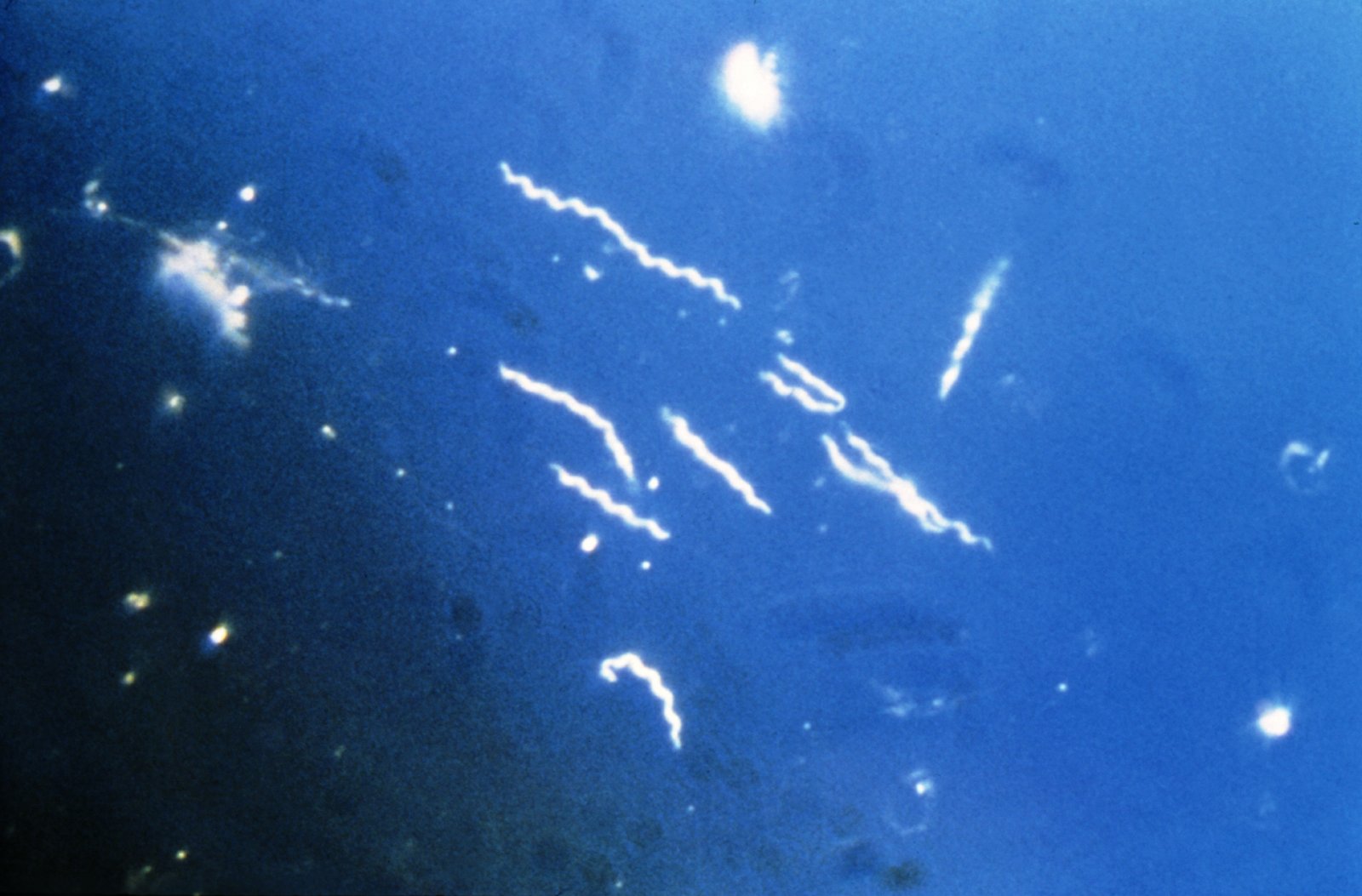
CDC microscopy image showing Borrelia burgdorferi spirochetes. Source: CDC Public Health Image Library, public domain.
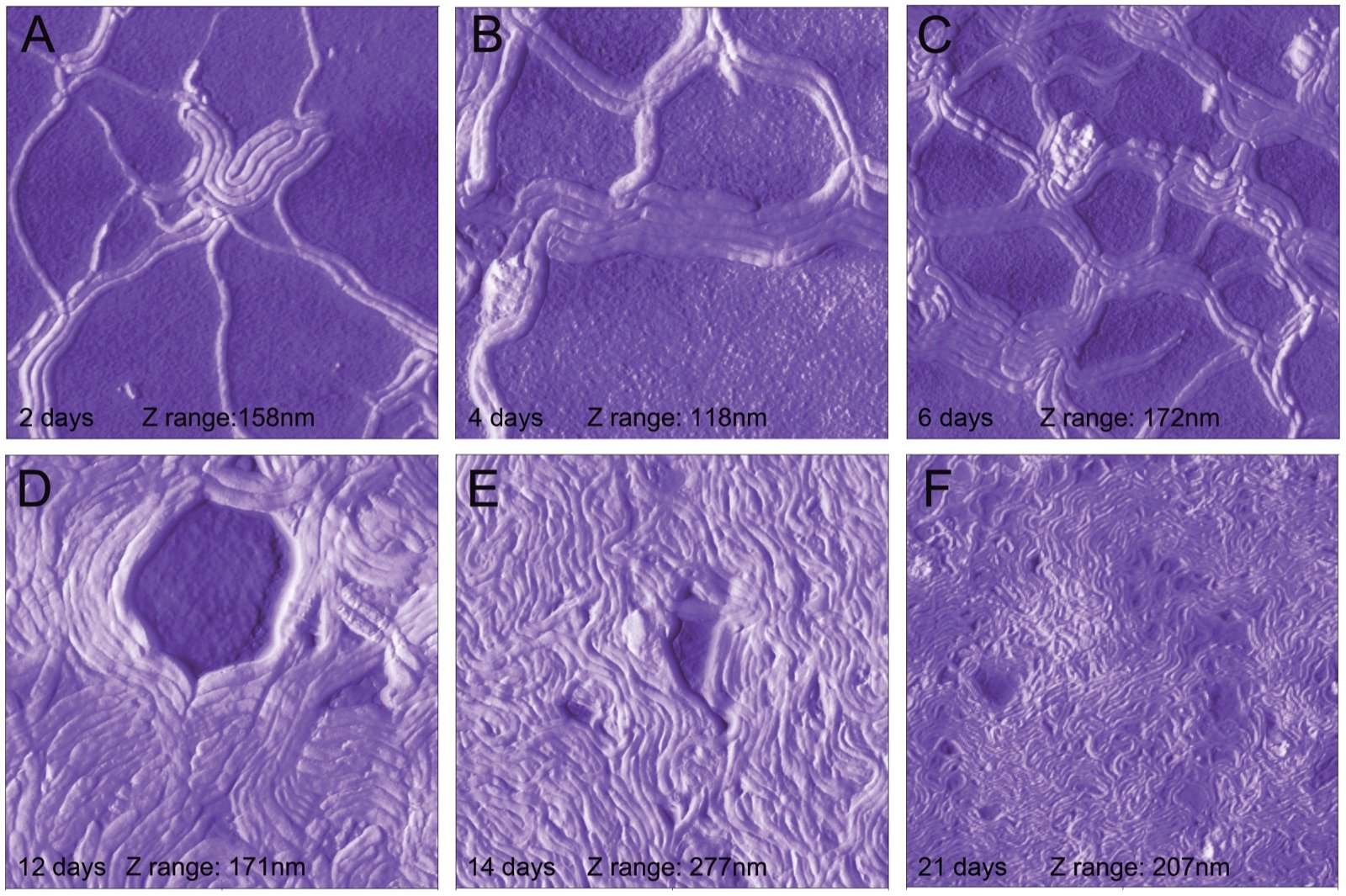
Scanning electron micrograph from Dr. Eva Sapi's landmark PLoS One study. Shows the protective extracellular matrix (EPS) surrounding aggregated Borrelia spirochetes. Individual bacteria, round bodies, and cyst forms are embedded within this polysaccharide matrix, which blocks antibiotics and immune cells — bacteria within biofilms can be up to 1,000× more resistant. Full study — open access, all figures available. Source: Sapi et al. (2012) PLoS One, CC-BY license.
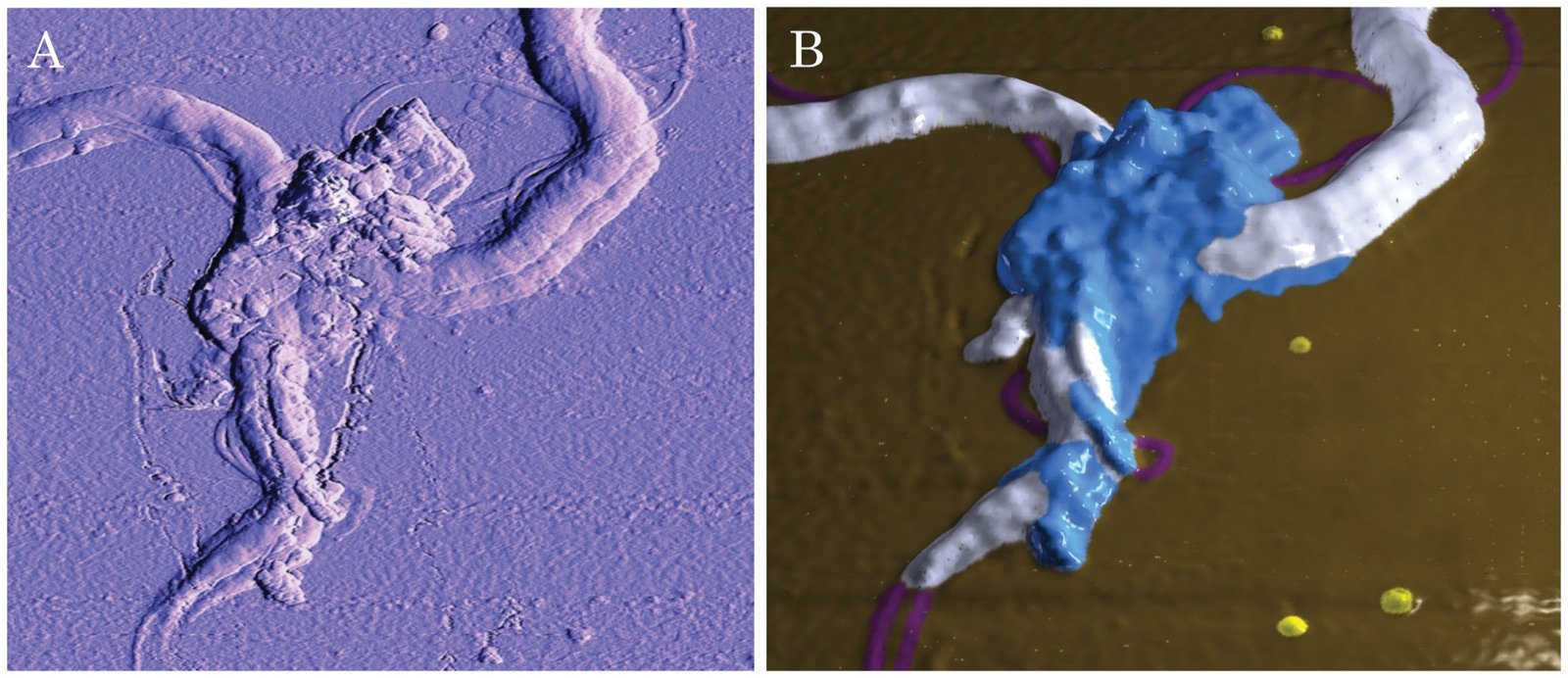
High-magnification image from the Sapi biofilm study showing the heterogeneous morphology within Borrelia biofilms. Round body/cyst forms (dormant, spherical) are visible alongside active spirochetes, all embedded in the protective EPS matrix. When threatened by antibiotics, Borrelia converts to dormant cysts within hours. These metabolically inactive forms are invisible to cell-wall-targeting antibiotics. When antibiotics are withdrawn, cysts revert to active spirochetes and resume infection. Persisters: A subpopulation within these biofilms enters deep metabolic dormancy — the specific target of dapsone-based DDDCT/HDDCT therapy.
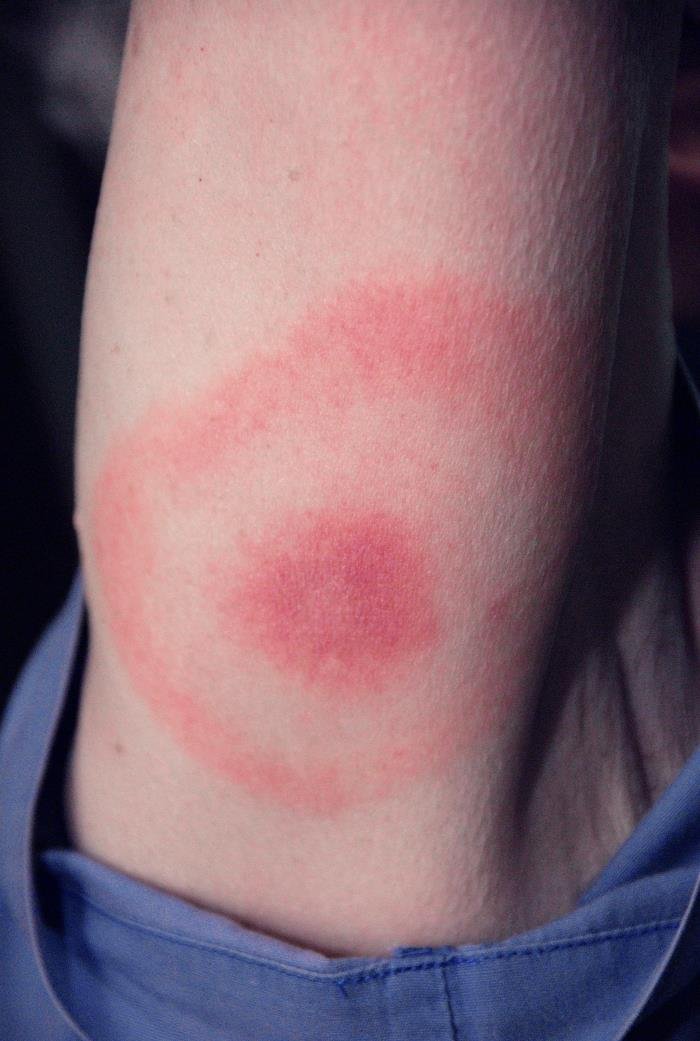
The classic bullseye rash is diagnostic of Lyme disease, appearing in ~14–30% of patients. Rashes can be solid red, multiple, or absent. Early treatment during the EM stage has the highest success rate. Source: CDC/James Gathany, 2007, public domain.
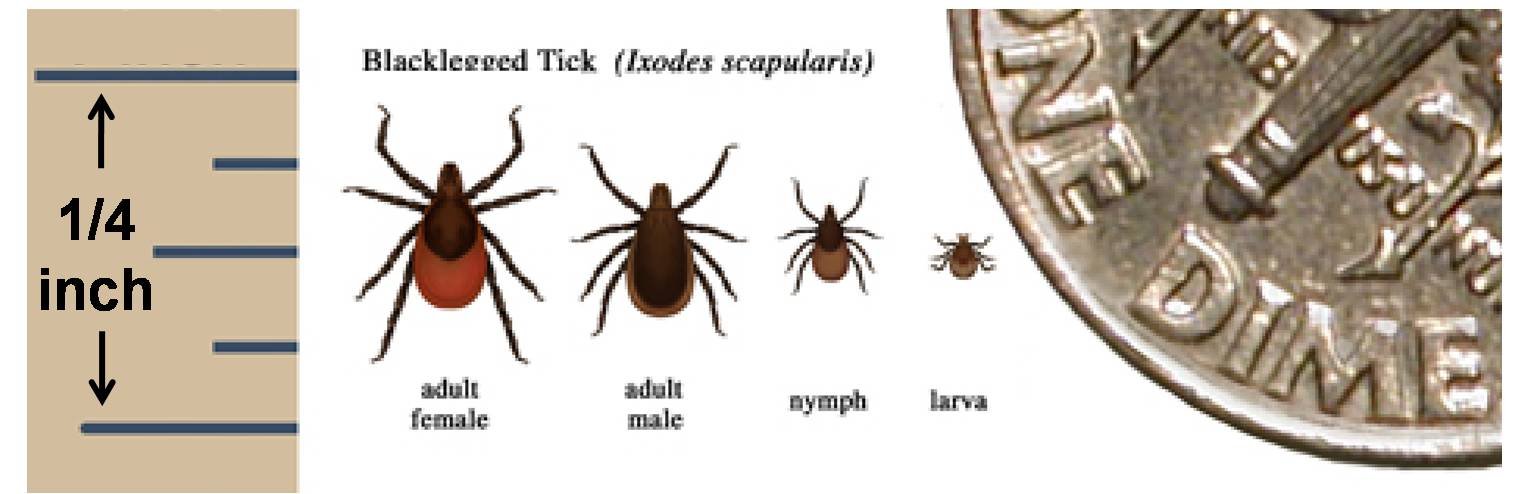
The blacklegged tick is the primary vector for Lyme disease (Borrelia burgdorferi), Babesiosis (Babesia microti), and Anaplasmosis (Anaplasma phagocytophilum) in the northeastern and midwestern United States. Nymph-stage ticks are most likely to transmit infection due to their small size. Source: Wikimedia Commons, CC-licensed.
These sources are not a self-treatment kit. They help patients understand what an LLMD-informed practitioner may evaluate.
Seek urgent medical care for facial droop, fainting, chest pain, new irregular heartbeat, severe headache, stiff neck, confusion, weakness, pregnancy with fever after exposure, or rapidly worsening illness.
Persistent symptoms deserve careful reassessment. The goal is to help patients organize causes, symptoms, treatment history, safety risks, and practitioner options while avoiding unsafe do-it-yourself treatment.